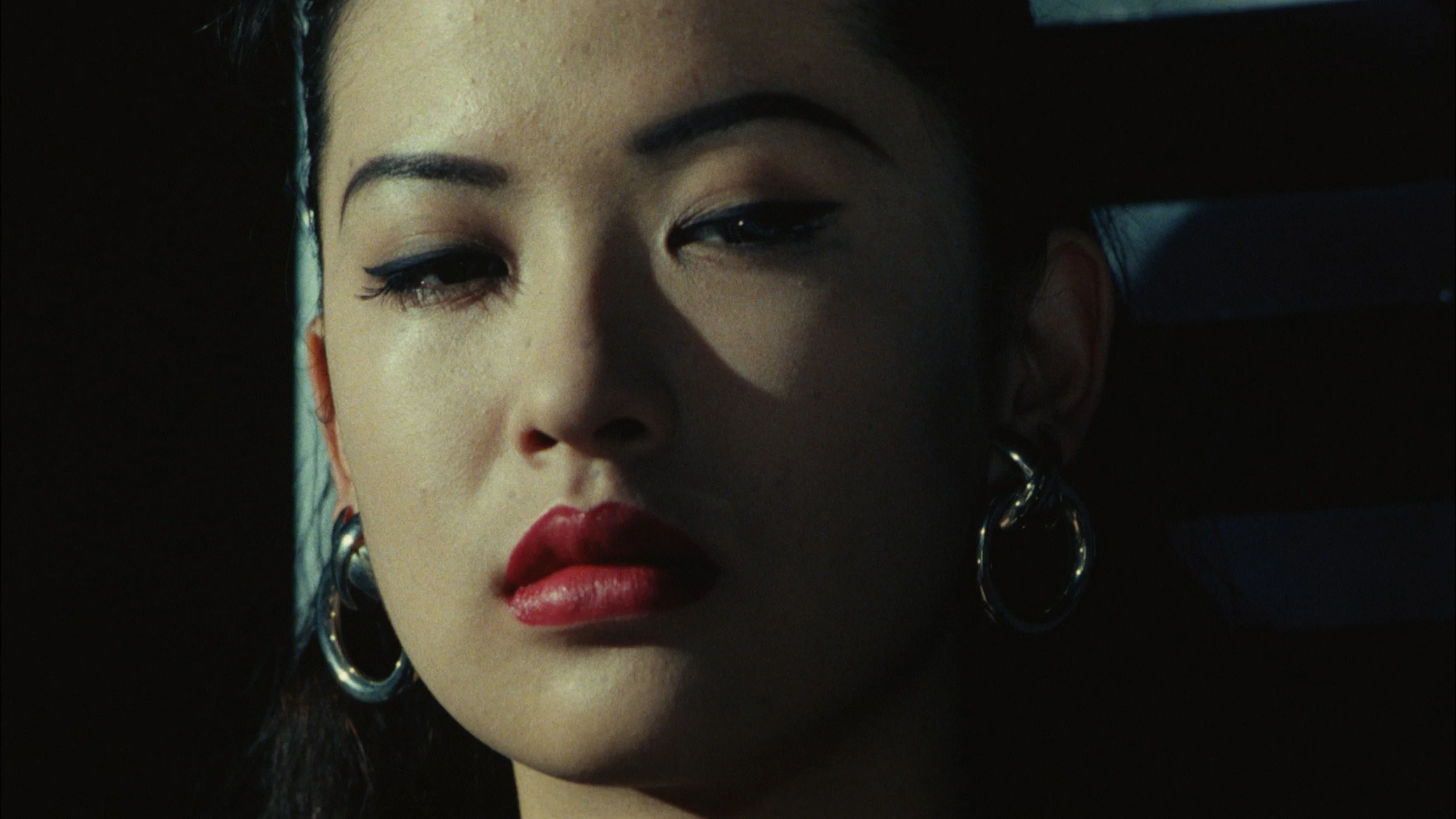
TIFF Cinematheque
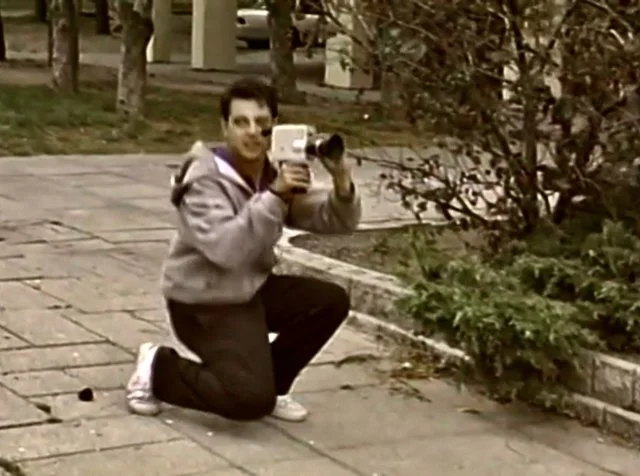
MISS 501: A PORTRAIT OF LUCK
Dir. Clint Morrill | Canada | 2002 | 75 mins | English
TIFF Cinematheque Special Screenings — June 21, 2026 at TIFF Lightbox Cinema 4
World Premiere of new digitized version
In recognition of National Indigenous Peoples Day with a recorded introduction by film curator and programmer Kathleen Mullen.
Frenetic, yet fabulous, Miss 501: A Portrait of Luck is Toronto as you’ve never seen it before. Structured like a half-remembered night of barhopping, director Clint Morrill — using the playful pseudonym Jules Karatechamp — records the local haunts and the lively patrons within. At the film’s centre is Burger, a semi-retired drag queen who aspires to win the “Miss 501” drag pageant at Toronto’s now-defunct Bar 501. Most of what is seen in Miss 501 no longer exists in the city. The ghosts of queer gathering places and the people who occupied them are temporarily revived here with a startling intimacy. Morrill’s fluid filmmaking gives the footage a captivating energy, reminiscent of watching someone’s home videos after a wild night out. Morrill’s unpredictable nature, often described as that of a trickster by those he worked with, made his final film all the more memorable. When it premiered at Sundance in 2002, Indigenous curator Bird Runningwater remarked that Morrill was “one of the most profound people to come to native cinema in a long time.”
Outside the Frame: The Films of Helen Lee
TIFF Cinematheque Special Screenings — May 7, 2026 at TIFF Lightbox Cinema 4
In-person Q&A with filmmaker Helen Lee
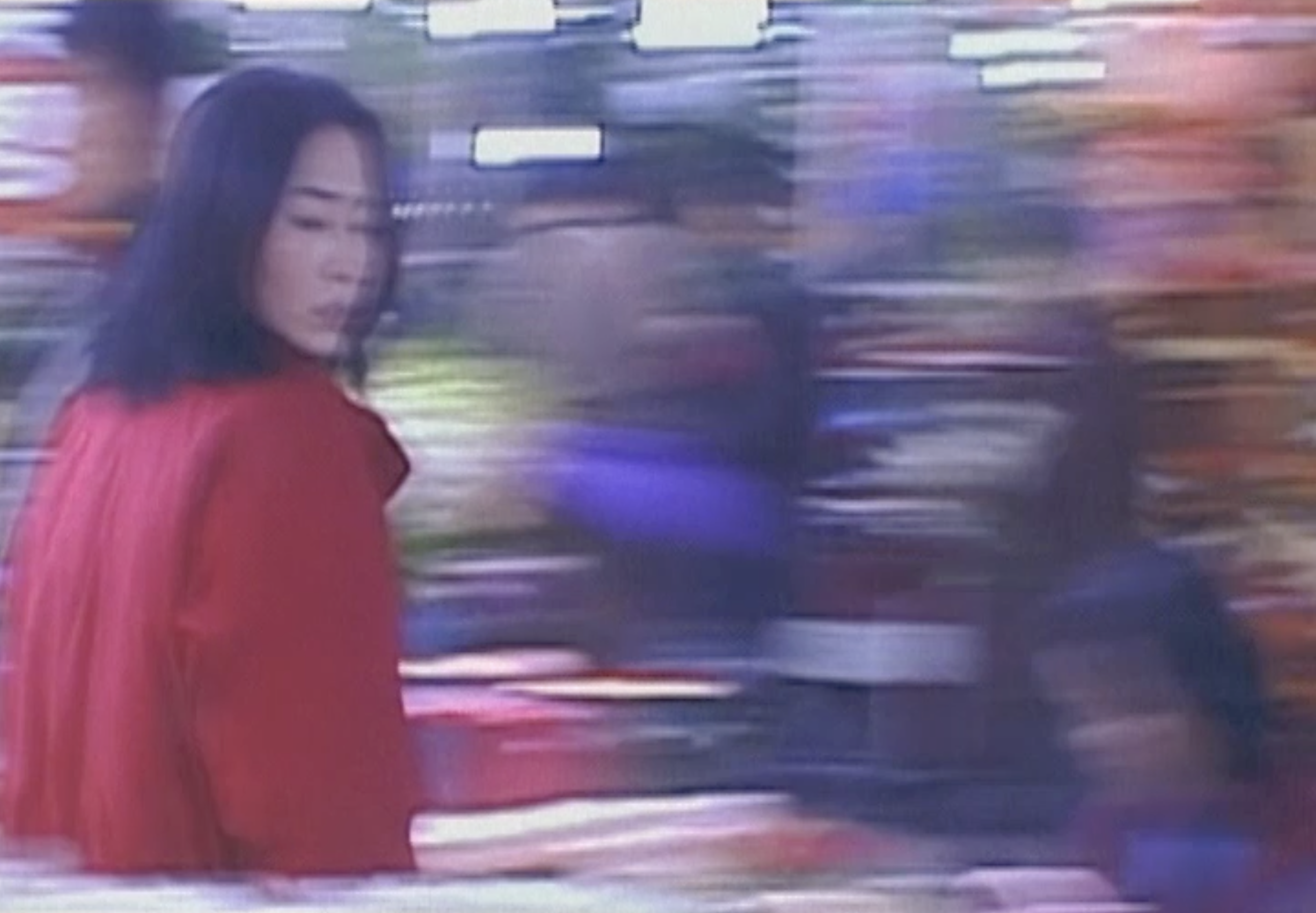
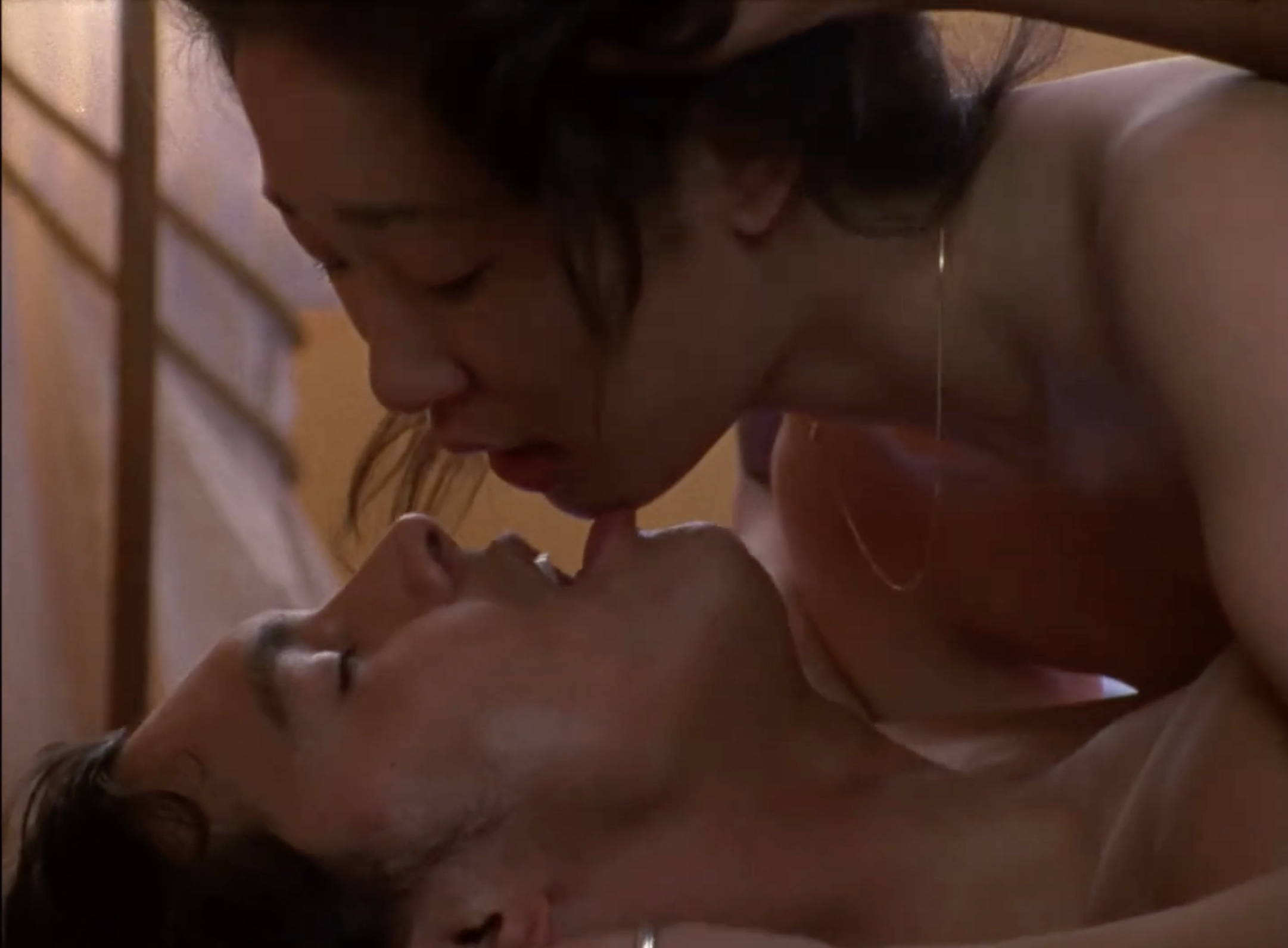
For over 30 years, Seoul-born, Toronto-based filmmaker Helen Lee has created captivating worlds that explore Asian Canadian experiences through a feminist, transnational approach. In her work, Western perceptions of diasporic communities in Canada are dismantled in favour of sensitive, sensual character studies. In her recent essay film, Paris to Pyongyang (2024), Lee ponders whose stories get told throughout history and why others are left behind with questions like: “What is outside the frame? What can we not see? What cannot be shown?”. These inquiries have been at the core of all of her magnetic early works, from her debut, Sally’s Beauty Spot (1990), which defies fetishistic and colonial representation of Asian women, allowing her sister Sally to reclaim her sexual agency, to the erotic, playful Prey (1995) that positions the interracial relationship between Sandra Oh and Adam Beach as a radical force where love transcends cultural differences. Helen Lee was last at the Festival with Tenderness (TIFF ’24), and before that presented her only feature film The Art of Woo (TIFF ’01) and many of her short films throughout her career.
Playing as a part of this programme:
SALLY’S BEAUTY SPOT
Dir. Helen Lee | Canada | 1990 | 13m | 16mm print courtesy of the filmmaker
Juxtaposed with scenes from The World of Suzie Wong (1960), Helen Lee’s sister Sally ruminates on her own interracial relationships and rising self-awareness around Asian beauty standards through the large mole above her breast.
MY NIAGARA
Dir. Helen Lee | Canada | 1992 | 38m | 16mm print courtesy of the filmmaker
Co-written by Canadian novelist Kerri Sakamoto, Helen Lee’s first fiction film surveys the emotional undertones of a young third-generation Japanese woman living in the suburbs of Toronto. In the wake of her mother’s death, Julie’s feelings of alienation turn to admiration for Tetsuro, a young Korean man who emigrated from Japan, culminating in an intense but impermanent affair.
PREY
Dir. Helen Lee | Canada | 1995 | 27m | 16mm print courtesy of the filmmaker
After a break-in at her father’s convenience store, Il Bae (Sandra Oh in one of her first onscreen roles) finds herself uncontrollably attracted to a shoplifter (Adam Beach, who also starred in Helen Lee’s The Art of Woo) whose captivating energy intrigues her. Over the course of a single day, Il Bae ignites a metaphorical fire that divides her between her family’s loyalty and her new flame.
SUBROSA
Dir. Helen Lee | Canada | 2000 | 22m | 35mm print
Originally shot on digital video, Subrosa follows a young woman’s melancholic journey to Korea to reconnect with the mother she never knew. Upon arrival, she is thrust into a surreal, unfamiliar world, losing all sense of self among flower markets, seedy bars, and neon-lit streets.
A NEW LOVE IN TOKYO
Dir. Banmei Takahashi | Japan | 1994 | 115m | Japanese | 2K restoration
TIFF Cinematheque New and Restored — April 1, 2026 at TIFF Lightbox Cinema 4
Toronto premiere of new digital restoration
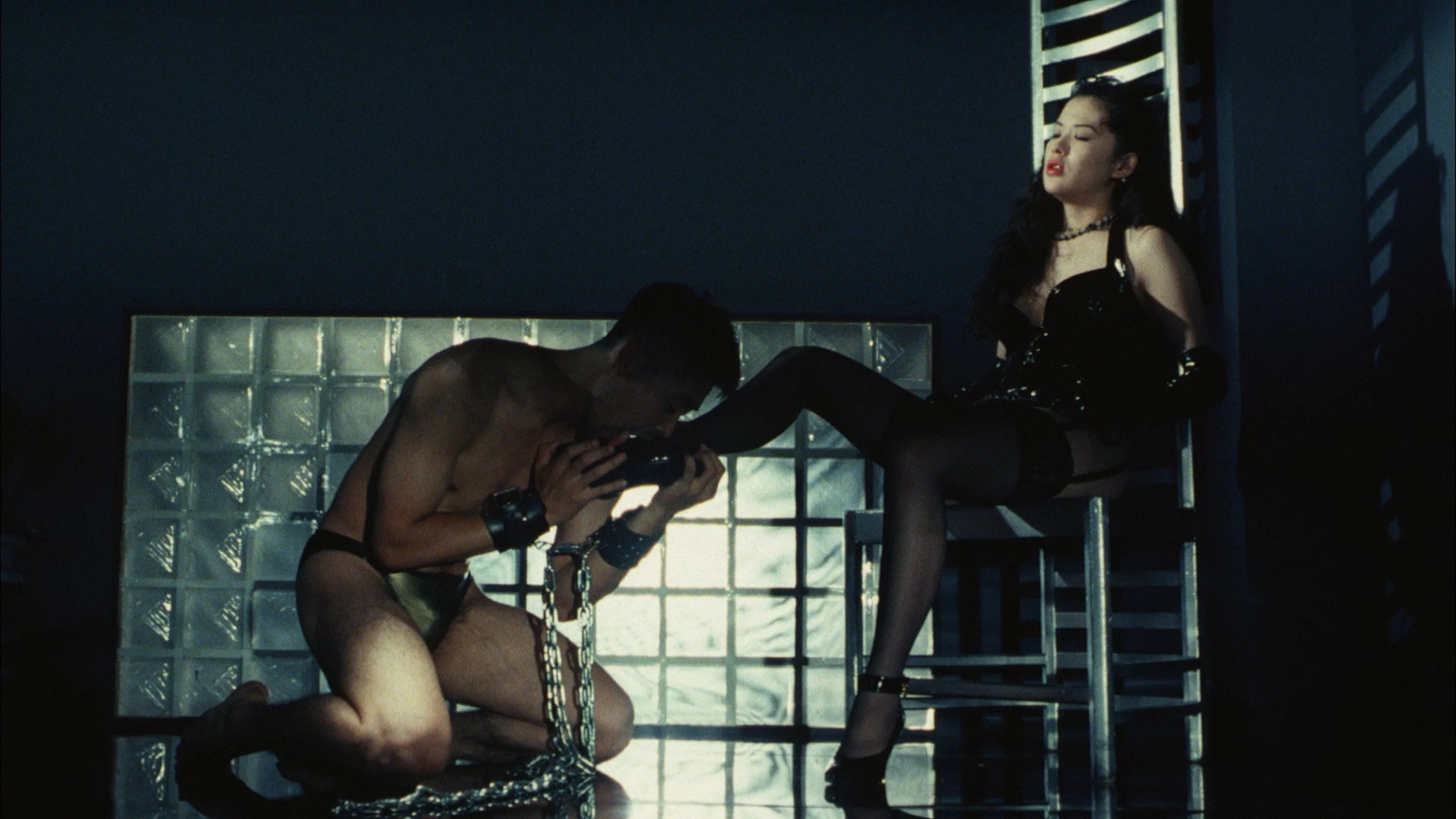
Rei (Sawa Suzuki), a dominatrix whose true calling is to become a professional theatre actor, balances her personal aspirations and work obligations between a slippery mix of business and pleasure. Ayumi (Reiko Kataoka), a newcomer to the call-girl profession, hopes that her new secret source of income will allow her struggling boyfriend to focus on his studies while she plans their future together. Ayumi seeks advice and inspiration from Rei and the other women at the escort agency, forming friendships and rivalries with each passing night. Notable for being the first Japanese production to be shown uncensored in theatres domestically, A New Love in Tokyo provides a warm, compassionate look at the interior lives of two women making their mark in the neon-lit districts of Shinjuku and Shibuya at the end of the Japanese Bubble era.
Originally marketed as a sequel to Ryū Murakami’s sombre Tokyo Decadence (1992), A New Love in Tokyo trades tropes of the pinku and sexploitation genres for a light-hearted, unexpectedly sex-positive venture that doubles as a workplace comedy.
PANIC BODIES
Dir. Mike Hoolboom | Canada | 1998 | 70m | English | 16mm print
TIFF Cinematheque Special Screenings — November 30, 2025 at TIFF Lightbox Cinema 4
In recognition of World AIDS Day
In-person Q&A with director Mike Hoolboom
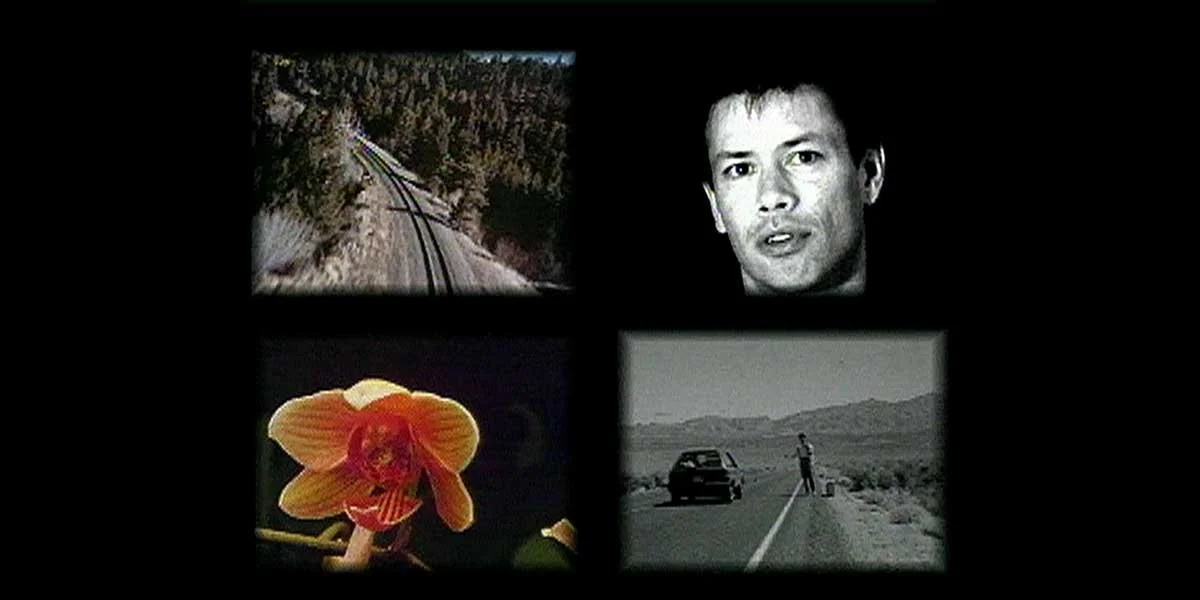
“Oh my god, I’m a body.” Mike Hoolboom begins his six-part journey through mind, body, and spirit with a startling realization. In confronting his own HIV+ status, Hoolboom explores an existence with an afflicted body while forging a radical world where the living and dead are closely entwined. As the film unfolds, a provocative encapsulation of dreams, memories, and the harsh reality of bodily experience emerges. Pop culture snippets, archival porn, and home movies coalesce, strengthening Hoolboom’s musings on the impermanence of the flesh and the fragility of human existence. This intensely moving vision acts as a makeshift surgical solution for an unsolvable problem. Each lacerating minute dissects and sews itself up in search of a way for us as mortal beings to make peace with the physical body’s inevitable betrayal.
Equal parts harrowing and hypnotic, Panic Bodies is a poignant rumination on mortality from one of Canada’s most distinctive figures of experimental film.
THE GARDEN
Dir. Derek Jarman | United Kingdom | 1990 | 88 mins | English
TIFF Cinematheque Special Screenings — June 8, 2025 at TIFF Lightbox Cinema 4
35th anniversary screening in honour of Pride Month
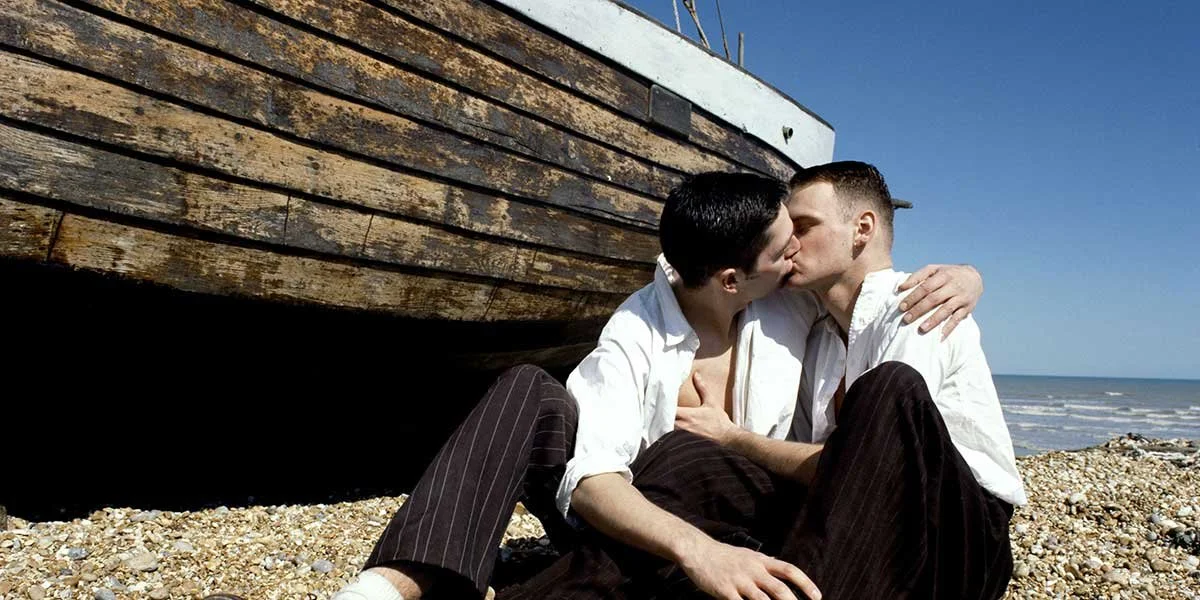
The Garden, one of Derek Jarman’s most remarkable films, is a grief-stricken protest against the anti-gay discrimination spread throughout England during Margaret Thatcher’s reign in the 1980s.
Told through a series of loosely connected narratives, the film constructs a subversive retelling of the story of Jesus Christ. In this version, a modern Madonna fends off paparazzi from smothering her holy child, and Jesus is recast as a gay couple who must carry the messianic burden. These revised scenarios create a haunting look at how society persecutes marginalized people when they are most vulnerable.
The Garden was filmed primarily at Jarman’s actual garden in Dungeness. Amid the fumes of a nearby nuclear power plant and the barren, rocky terrain, delicate plants manage to bloom and survive unfavourable conditions. Like his thriving natural creation, Jarman’s transcendent work in The Garden is an example of unwavering resilience against oppression.

BURNT MONEY
Dir. Marcelo Piñeyro | Argentina, Spain, Uruguay | 2000 | 125m | Spanish
35mm print courtesy of TIFF’s Film Reference Library
TIFF Cinematheque Special Screenings — June 5, 2024 at TIFF Lightbox Cinema 4
Set in Argentina in 1965, Burnt Money follows the true story of the precarious relationship between two men, Nene and Angel, whose fiery bond is tested after a botched bank robbery.
Known to everyone as “The Twins” for their inseparability, Nene and Angel hide their secret love affair from the outside world. When they are recruited for a seemingly straight-forward heist, the robbery turns bloody, and Angel is wounded during their escape. Laying low in Uruguay and awaiting an uncertain future, Nene’s lustful urges and Angel’s deteriorating mental health endanger both their love and their lives.
With echoes of Bonnie and Clyde and Thelma & Louise, Burnt Money anchors its hard-boiled true-crime narrative with the tender, melancholic portrayal of two men whose love is bound together by the blood, sweat, and tears of a life spent on the run.


Bearer of Light: The Films of Kenneth Anger
TIFF Wavelengths Presents — January 10, 2024 at TIFF Lightbox Cinema 4
Kenneth Anger, the legendary mystical filmmaker, began his career with a literal bang in the 1947 short Fireworks. The film was a revolutionary portrayal of gay desire that put the filmmaker at the centre of his own painful sexual awakening and marked the beginning of the American gay avant-garde movement. Anger made films about queerness, Satanism, pop culture, and occult mythology. Although he produced over 30 films in his lifetime, many were lost or destroyed, fuelling myth-making opportunities for Anger to embellish his own elaborate biography. In Anger’s films, one must reinvent the self in extravagant ways to reject heteronormative society. However, these reinventions often evoke a darker side. Characters dress as hyper-real, campy personas, transforming into drag versions of Hindu deities (Inauguration of the Pleasure Dome) and fetishized, leather-clad Nazi bikers (Scorpio Rising). His transgressions and political provocations courted controversy and scandal over the years, making his work and legacy a knotty but vital conversation to have. Anger was a master of dreamy imagery and pitch-perfect needle drops, inspiring filmmakers like Martin Scorsese, David Lynch, and Ari Aster. This homage includes five films from Anger’s iconic Magick Lantern Cycle, revealing him as a bearer of both light and darkness.
Playing as a part of this programme:
PUCE MOMENT
Dir. Kenneth Anger | USA | 1949 | 6m | 16mm print
Though Anger is well-remembered for exposing the scandals and secrets behind the glitter of Hollywood in his tell-all book Hollywood Babylon, this film of his celebrates all that is shiny and new. Multi-coloured gowns flutter past the camera like curtains opening to welcome viewers to the show. A beautiful woman appears and prepares for another day in Tinseltown accompanied by her Borzois.
FIREWORKS
Dir. Kenneth Anger | USA | 1947 | 15m | Restored 35mm print
Anger’s earliest surviving work explores the homoerotic fantasies and nightmares of a closeted 17-year-old. The Dreamer, played by Anger, seeks sexual satisfaction in unlikely places, only to be engulfed in sadomasochistic encounters with the wrong crowd. This highly original work is the first explicitly gay narrative film in the United States, for which Anger was charged with obscenity.
EAUX D’ARTIFICE (WATERWORKS)
Dir. Kenneth Anger | USA | 1953 | 13m | 16mm print
A pun on the French word for fireworks (feux d’artifice), Eaux d’Artifice is the antithesis of the sexual frustrations and violent outbursts seen in Fireworks. A mysterious woman dressed in 18th century clothes wanders through the Villa d’Este to the tune of Vivaldi’s “The Four Seasons”. Sensuous waterworks erupt from fountains, freely flowing in a triumphant release of pleasure.
SCORPIO RISING
Dir. Kenneth Anger | USA | 1963 | 29m | Restored 35mm print
One of the most widely-seen and influential experimental films of all time, Scorpio Rising follows a gang of gay Nazi bikers preparing for a night out. A carefully-curated soundtrack of 1960s pop songs amusingly contrasts the debauchery.
INAUGURATION OF THE PLEASURE DOME
Dir. Kenneth Anger | USA | 1954 | 38m | 16mm print
Gods, deities, and mystical beings are cordially invited to a masquerade party. Shiva wakes and embarks on a psychedelic journey as he is joined by other holy figures. Vivid colours bathe the participants in saturated hues as they mingle in orgiastic rituals.

CHOCOLATE BABIES
Dir. Stephen Winter | USA | 1996 | 83m | English
Canadian premiere of 4K restoration
In-person Q&A with director Stephen Winter
TIFF Cinematheque New & Restored — June 21, 2023 at TIFF Lightbox Cinema 3
In this entertaining yet fiery political satire ― director Stephen Winter’s daring debut ― a powerful team of sharp-tongued Black drag queens, an HIV-positive Black woman, a trans chanteuse, and a soft-spoken queer Asian activist stage a series of surprise attacks on New York City’s conservative officials, who are believed to be collecting secret lists of HIV-positive individuals for nefarious purposes. When their plans are jeopardized and enemy lines are crossed, the group begins to lose sight of their mission and loyalty to each other.
Chocolate Babies was seemingly lost to the world after a regrettably brief festival run in the late ’90s. Despite its critical acclaim, it did not receive proper distribution until 25 years after its premiere. Now, the film’s themes of racial discrimination and lack of support for those who are most vulnerable feel just as urgent and impactful, if not more so. As the promotional material for the film proudly exclaims: “Chocolate Babies are phantasmagoric! Chocolate Babies are ubiquitous! And Chocolate Babies are angry!”